
A Guide to EN 1125 and EN 179.
In an emergency, the hardware on an escape door can mean the difference between a safe evacuation and a critical safety failure. To ensure maximum life safety, exit hardware is governed by two distinct standards: EN 1125 for panic devices and EN 179 for emergency devices. Consequently, it is a legal requirement for all exit hardware to comply with the latest revisions of these standards and carry the appropriate CE marking.
EN 1125
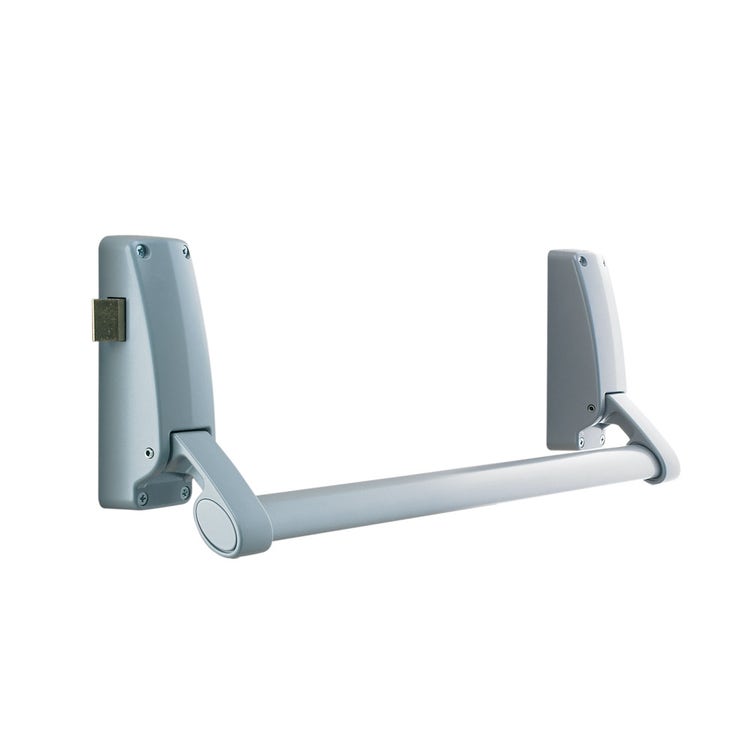
PANIC EXIT HARDWARE provides safe and effective escape through doorways with minimum effort and without prior knowledge of operation. For use on outward opening doors in public buildings or buildings with more than 60 occupants, these devices are required to cover at least 60% of the door width to make them easy to find and operate in an emergency.
Typical applications include:
Shops / Schools / Hospitals / Theatres & Cinemas
EN 179
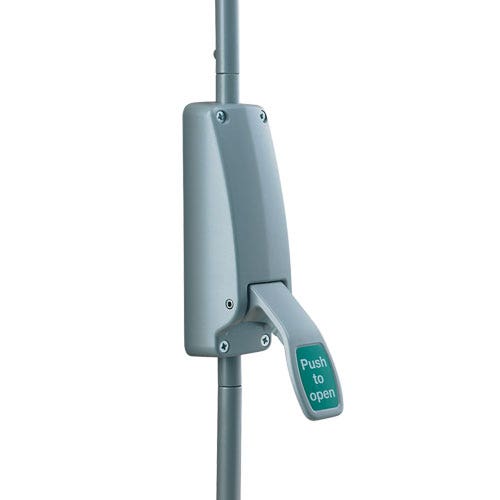
EMERGENCY EXIT HARDWARE is used in buildings with less than 60 occupants or non-public buildings, where its users are familiar with the building’s layout and means of escape.
Typical applications include:
Offices / Private Apartments / Store & Boiler Rooms
Safety & Compliance.

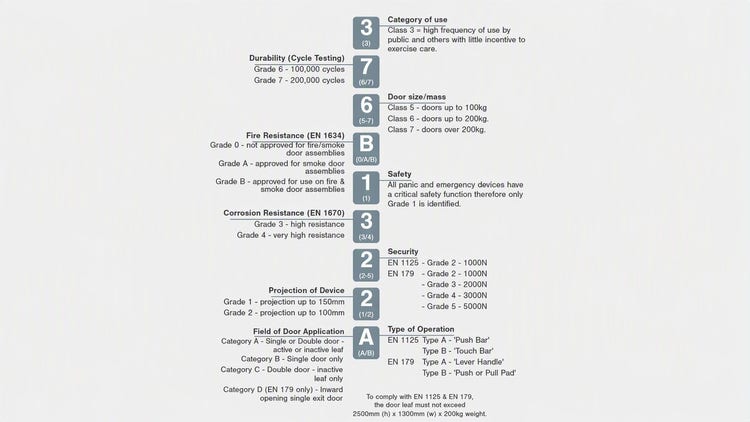
EN 1125 and EN 179 classify panic and emergency exit devices by using a 10 digit coding system. Each digit refers to a particular feature of the product measured against the standard’s performance requirements.
It is mandatory for manufacturers to mark all panic and emergency exit devices with the CE classification to prove compliance with the latest standards.
EN 1125 / EN 179 Standard and CE Classification.
Below is a breakdown of how each of the criteria is measured as part of the classification.
Peace of Mind.
To be sure our exit hardware meets CE mark criteria we comply with all the following requirements:
- CE certificates are readily available for inspection.
- Products are regularly tested by an accredited test facility as part of an ongoing audit test programme.
- Products are manufactured on a production line inspected and accredited under FPC (Factory Process Control) conditions. This ensures the consistent use of correctly specified materials and manufacturing methods.
- A Declaration of Performance is available providing information on the product’s performance.